



Catalyst for the Synthesis of Vinyl Chloride
Mercuric‑chloride impregnated activated carbon catalyst developed for the acetylene hydrochlorination route to vinyl‑chloride‑monomer (VCM). Manufactured from high‑purity coconut‑shell or coal‑based activated carbon carrier via controlled liquid‑phase impregnation. Delivers stable acetylene conversion and high VCM selectivity for PVC facilities. Custom HgCl₂ loading grades, particle sizes and free qualification samples are available upon request.
يتم إرسال تقرير TDS النموذجي في غضون 24 ساعة · يتم الرد في غضون 24 ساعة خلال أيام الأسبوع
What Is Catalyst for the Synthesis of Vinyl Chloride
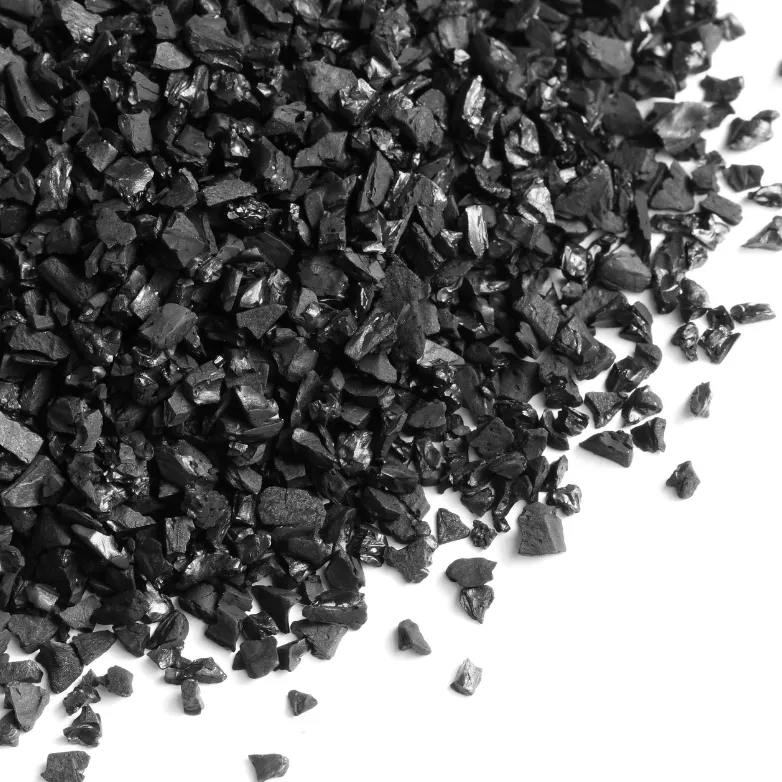
Vinyl‑chloride synthesis catalyst, also named VCM catalyst or PVC mercury catalyst, is a supported heterogeneous catalyst for industrial acetylene hydrochlorination. High‑surface‑area activated carbon acts as the solid carrier, while mercuric‑chloride (HgCl₂) serves as the active catalytic component.
In calcium‑carbide‑route PVC plants, this catalyst accelerates the gas‑phase addition reaction between acetylene and hydrogen‑chloride inside fixed‑bed or fluid‑bed converters to produce vinyl‑chloride monomer (VCM), which is polymerised downstream into finished PVC resin. The quality of base carbon carrier and uniform HgCl₂ dispersion largely decide conversion efficiency, service campaign length and mercury sublimation loss during long‑term running.
- High acetylene conversion and good VCM selectivity
- Robust carbon carrier, less powdering during use
- Adjustable mercuric chloride loading grades
- Suitable for standard fixed-bed VCM converters
- Low moisture, prevents caking
- Stable performance batch by batch
Vinyl Chloride Catalyst Grades

Coconut Shell Granular Catalyst
The premium carrier for high-mercury VCM catalyst. Refined by steam activation, then acid-washed and impregnated. Excellent hardness, high iodine value and a well-developed micropore network suit demanding high-mercury chloride duty.
- Iodine value ≥ 1100 mg/g
- Hardness ≥ 98%, low fines
- High-mercury grades 10.5–11.5%

Coal-Based Pelletized Catalyst
Extruded coal carbon gives a uniform cylindrical pellet with a high packing density and reliable strength — a cost-effective carrier for large-volume PVC catalyst programmes where bed stability and predictable pressure drop matter most.
- Uniform 2.5–4.0 mm pellets
- High packing density
- Cost-effective at scale

Low-Mercury Eco Catalyst
With co-catalytic additives, optimized carrier materials, tailored pretreatment and proprietary formulations, low-mercury catalysts deliver activity comparable to conventional high-mercury grades. They suppress mercury sublimation loss and limit coke accumulation, supporting stable, long-run operation for PVC synthesis.
- HgCl₂ roughly 4.5–5.5%
- High activity
- Good thermal stability
شركة متخصصة في تصنيع الكربون المنشط عالي الجودة منذ عام 2005
شركة متخصصة في تصنيع الكربون المنشط تضع الجودة في المقام الأول، وتضمن مراقبة الجودة الصارمة مواصفات ثابتة، ومدة تسليم سريعة للمشترين من جميع أنحاء العالم.
أكثر من 21 عامًا من الخبرة
تصنيع الكربون المنشط منذ عام 2005.
20,000 طن من الطاقة الإنتاجية السنوية
إنتاج على نطاق واسع، ومهل تسليم ثابتة.
تقدم خدماتها لأكثر من 80 دولة
أوروبا، الأمريكتان، آسيا، أفريقيا.
حاصلة على شهادة ISO 9001
نظام إدارة الجودة الشامل.
مختبر مراقبة الجودة في الموقع
يتم اختبار كل دفعة قبل الشحن.
تتوفر خدمات OEM / ODM
حجم الشبكة حسب الطلب، والتعبئة، والعلامة التجارية.


المواصفات
The tables below show our standard mercury catalyst activated carbon and its base carbon. Every figure can be adjusted — send your target iodine value, HgCl₂ content, particle size and strength and we will quote against those numbers.
Finished mercury catalyst activated carbon (standard)
| المعلمة | High-mercury grade | Low-mercury grade |
|---|---|---|
| المظهر | Black granular particles / pellets | Black granular particles / pellets |
| HgCl₂ content (wt) | 10.5–11.5% (up to ~12.5% on request) | 4.5–5.5% (4.0–6.5% range) |
| Moisture (wt) | ≤ 0.3% | ≤ 0.3% |
| Bulk / packing density | 450–550 g/L (coal pellet 590–650 g/L) | 450–580 g/L |
| Mechanical strength | ≥ 98% | ≥ 95% |
| Breakage during processing | ≤ 2% | ≤ 2% |
| حجم الجسيمات | 2.5–5 mm (> 92%); coal: 2.5–4.0 mm | 2.5–5 mm, customisable |
Base carbon (coconut shell carrier)
| المعلمة | القيمة النموذجية |
|---|---|
| Iodine value | ≥ 1100 mg/g |
| نسبة الرماد | ≤ 3% |
| Water capacity | ≥ 66% |
| الكثافة الظاهرية | 450–550 غ/لتر |
| Hardness / strength | ≥ 98% |
| Moisture (base carbon) | ≤ 8% |
| Thickness | ≥ 2 mm |
| توزيع حجم الجسيمات | > 5 mm: < 5% · 2.5–5 mm: > 92% · < 2.5 mm: < 3% |
Values above are typical and represent our standard production. Custom HgCl₂ loading, iodine value, mesh, ash and strength are available — final specification is confirmed on the TDS and PI before production.
Where This PVC & VCM Catalyst Is Used
VCM / PVC resin production
The flagship application: acetylene plus HCl over HgCl₂/AC to make vinyl chloride monomer, which is then polymerised into PVC resin for pipes, fittings, films, cables, profiles and packaging. A well-chosen catalyst raises output and cuts unit cost across the whole PVC chain.
Calcium-carbide acetylene plants
Integrated calcium-carbide-to-PVC complexes rely on this catalyst as the bridge between acetylene generation and the PVC polymerisation line. Our carriers are matched to the dust and impurity profile typical of carbide-derived acetylene.
Methyl chloride & chloromethanes
Mercury-impregnated carbon is also used in the chlorination of methanol or ethanol to chloromethane and its derivatives — methyl chloride, dichloromethane, chloroform and carbon tetrachloride — which feed silicone, pharmaceutical and solvent production.
Other organic chlorination reactions
Additional duties include the chlorination of benzene and other aromatics — for example chlorobenzene production — and chlorohydrin routes, where a stable, low-ash impregnated carbon supports clean conversion.
Catalyst-carrier platform
The same base carbon is a proven support for other catalytic metals and complexes, so plants that qualify our carrier for VCM duty can extend it to vinyl acetate, phosgene synthesis and precious-metal purification catalysts.
Retrofit & replacement
Because bed geometry drives performance, we size replacement charges to your existing converter — matching particle size and loading so the new charge drops into the same duty without re-engineering the reactor.
Catalyst for the Synthesis of Vinyl Chloride — FAQ
What is a catalyst for the synthesis of vinyl chloride?+
It is the active material that speeds up the formation of vinyl chloride monomer (VCM) from acetylene and hydrogen chloride. In practice it is a mercury catalyst activated carbon — a high-surface-area activated carbon carrier impregnated with mercuric chloride (HgCl₂). It lowers the activation energy of the addition reaction without being consumed, so it can serve for many months before regeneration or replacement.
Which catalyst is used in the acetylene hydrochlorination process?+
Industrially, acetylene hydrochlorination has been catalysed by HgCl₂ supported on activated carbon since the early twentieth century. Typical loadings run about 5–15% HgCl₂ on a high-surface-area carbon (roughly 1000–2000 m²/g). Reaction temperatures cluster around 100–180 °C, achieving acetylene conversion of 95–99% with VCM selectivity above 98%.
What HgCl₂ content can you supply, and can it be customised?+
Our standard grades are a high-mercury formulation at 10.5–11.5% (extendable to about 12.5% on request) and a low-mercury formulation at roughly 4.5–5.5%. Custom loading is available — tell us your reactor and target conversion and we will propose a suitable figure, confirmed on the technical data sheet before production.
Should I choose a coconut shell or a coal-based carrier?+
Coconut shell carbon offers the highest hardness and a well-developed micropore structure, which suits high-mercury duty and plants that value low fines and long bed life. Coal-based pelletized carbon gives a uniform cylindrical pellet with high packing density and is more cost-effective for large-volume programmes. If you share your reactor type and budget, we will recommend the better fit.
Can you supply a low-mercury or mercury-free PVC catalyst?+
Yes on the low-mercury side: our reduced-HgCl₂ grade uses a mercury-fixing additive package to lower mercury consumption and slip while keeping conversion within an acceptable band. Truly mercury-free options — gold-based (Au/AC), ruthenium, palladium, platinum or nitrogen-doped carbon catalysts — are still maturing commercially. We can discuss supplying carriers for those systems if you are running development work.
Why does a mercury catalyst deactivate, and how long does it last?+
Two mechanisms dominate: sublimation and loss of the active HgCl₂ phase at reaction temperature, and carbon deposition (coking) that blocks pores. Reported industrial campaigns commonly run roughly 6–18 months, depending on load, temperature and feedstock cleanliness. Careful carrier selection, mercury stabilisation and temperature control all help extend that window.
What operating conditions should I run for VCM synthesis?+
Industry guides point to a reaction temperature of roughly 100–180 °C, a space velocity of about 50–200 h⁻¹, an acetylene-to-HCl molar ratio of around 1 : 1.05–1.10, acetylene purity ≥ 98.5% and HCl purity ≥ 93%. Treat these as a starting reference — your converter design, downstream separation and safety envelope should set the final values.
Can I get a free sample before ordering?+
Yes. We supply free qualification samples so your own laboratory can verify the grade before you commit. Courier costs for remote destinations are normally on the buyer's account, and we will always suggest the most economical shipping option.
How is mercury catalyst activated carbon shipped and stored?+
It is packed in moisture-barrier lined bags inside woven or jumbo bags, palletised or drummed as required. Store it dry, away from heat and incompatible materials, and handle it under your plant's mercury-management procedures. A safety data sheet and handling guidance accompany every shipment.
Get a Free Sample of Our Vinyl Chloride Catalyst
Send your HgCl₂ content, particle size and target conversion. We'll reply within 24 hours with a matching grade, technical data sheet and quotation — and a free sample for your laboratory to verify.